

The Pomegranate Empire
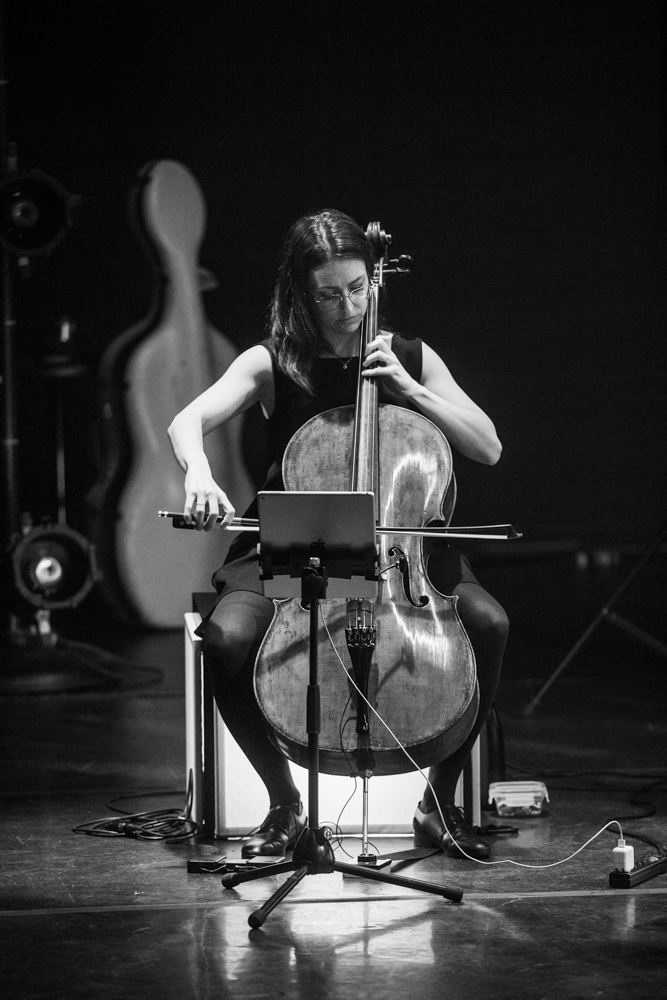
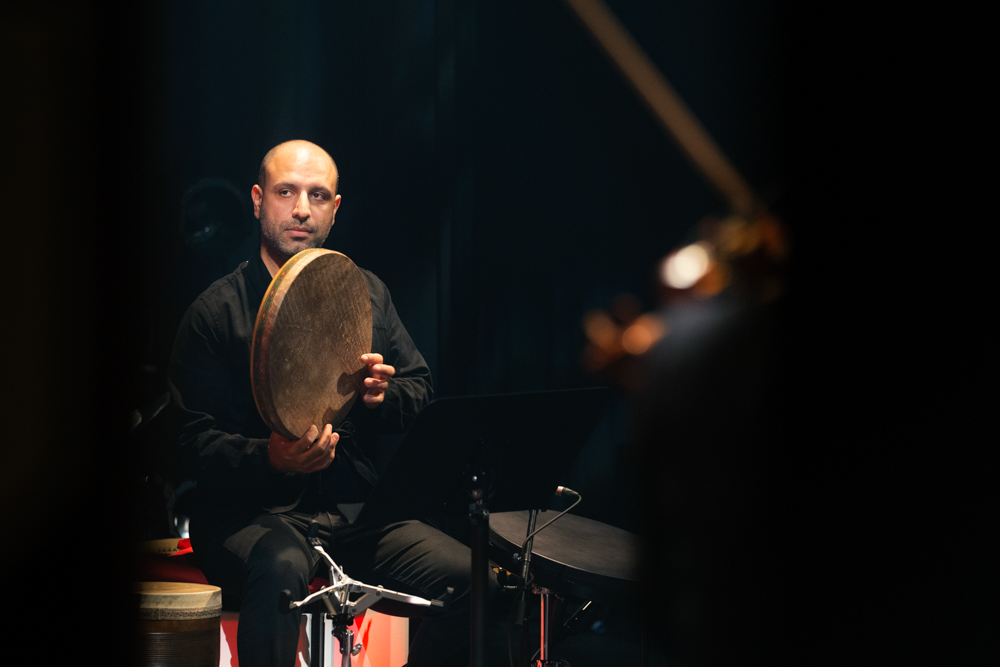
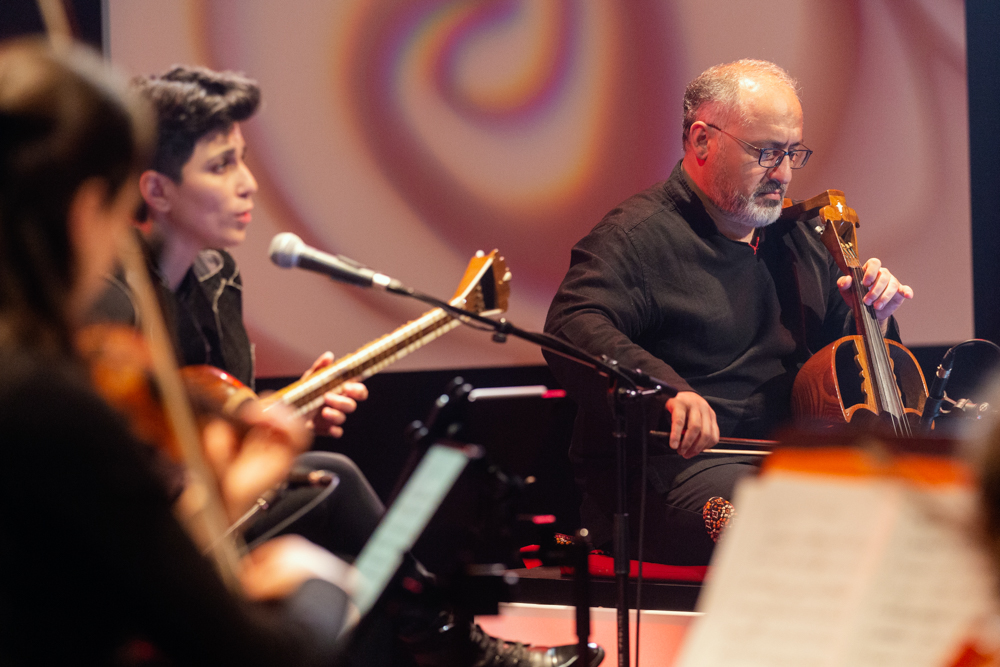
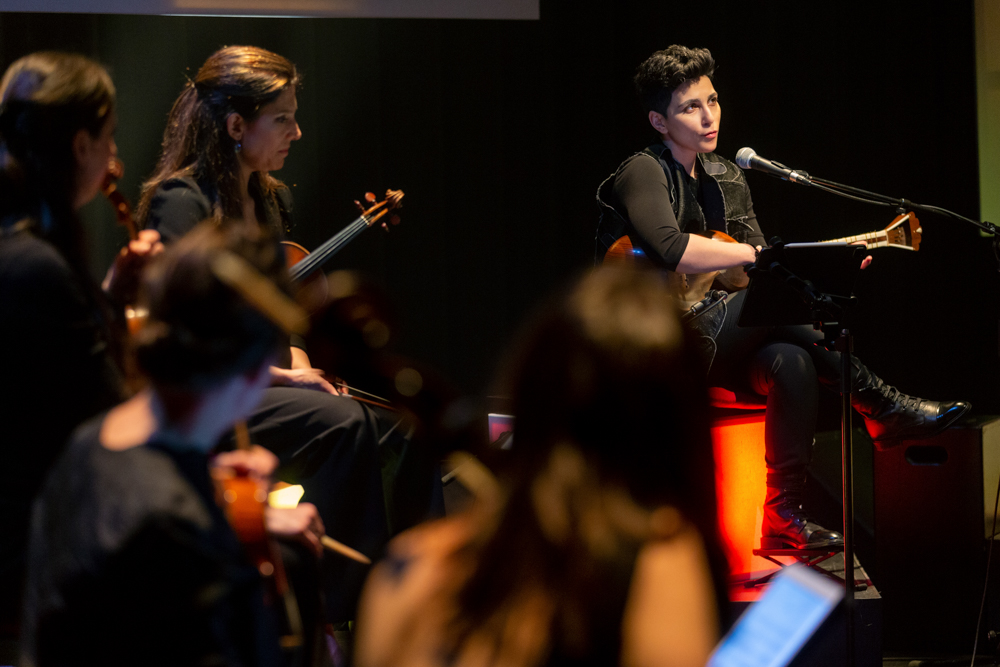
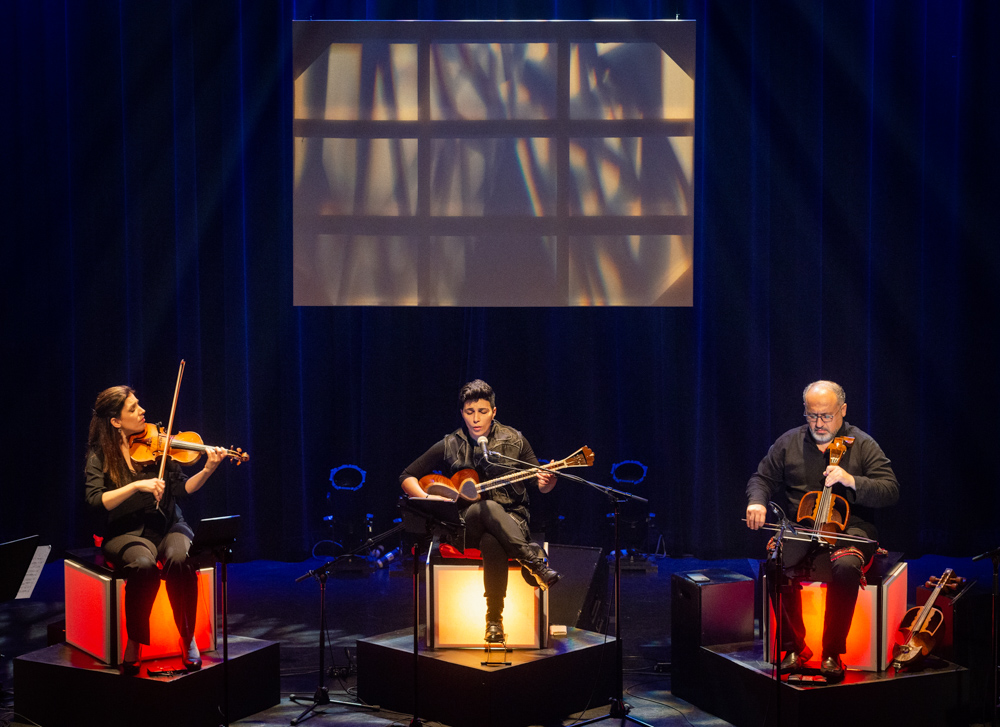
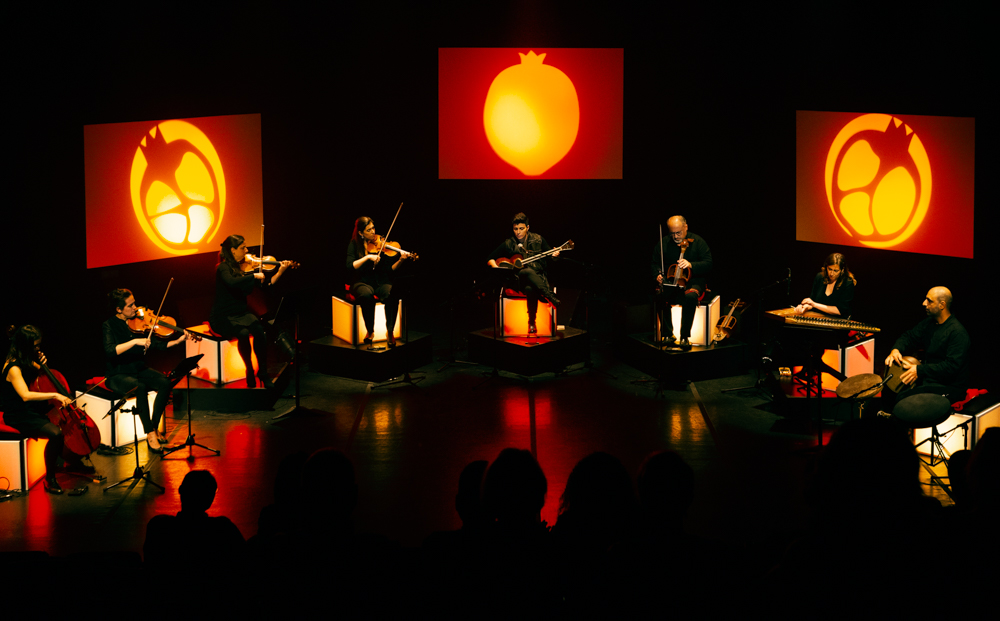
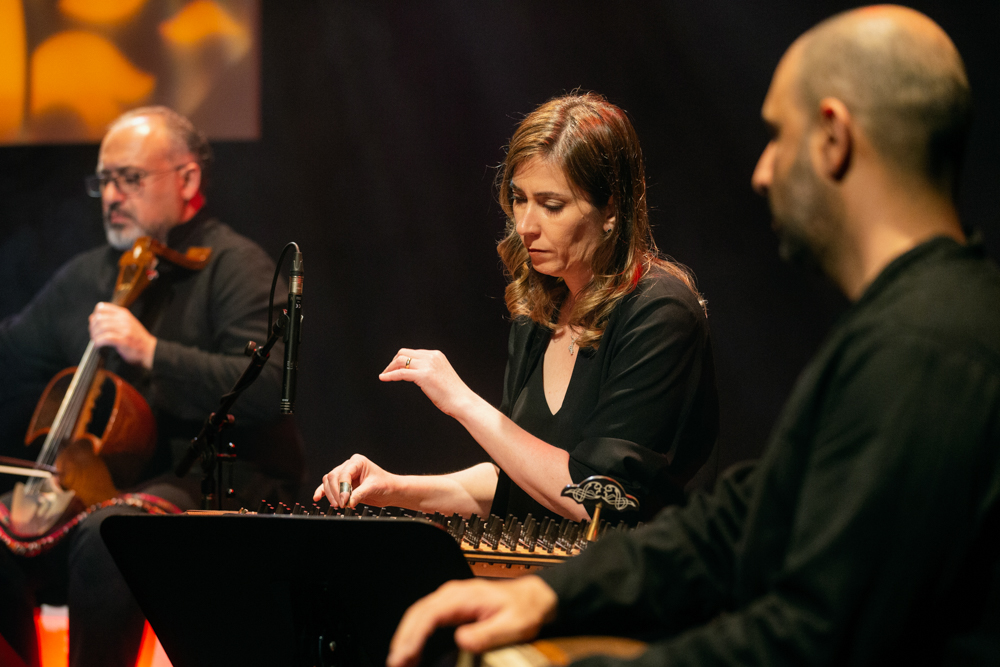
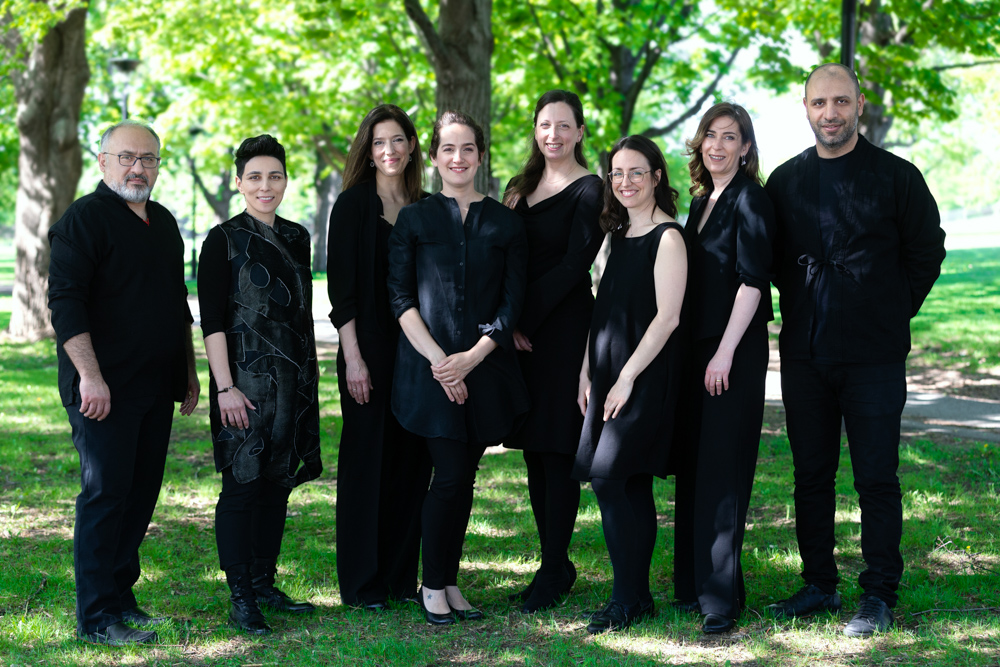
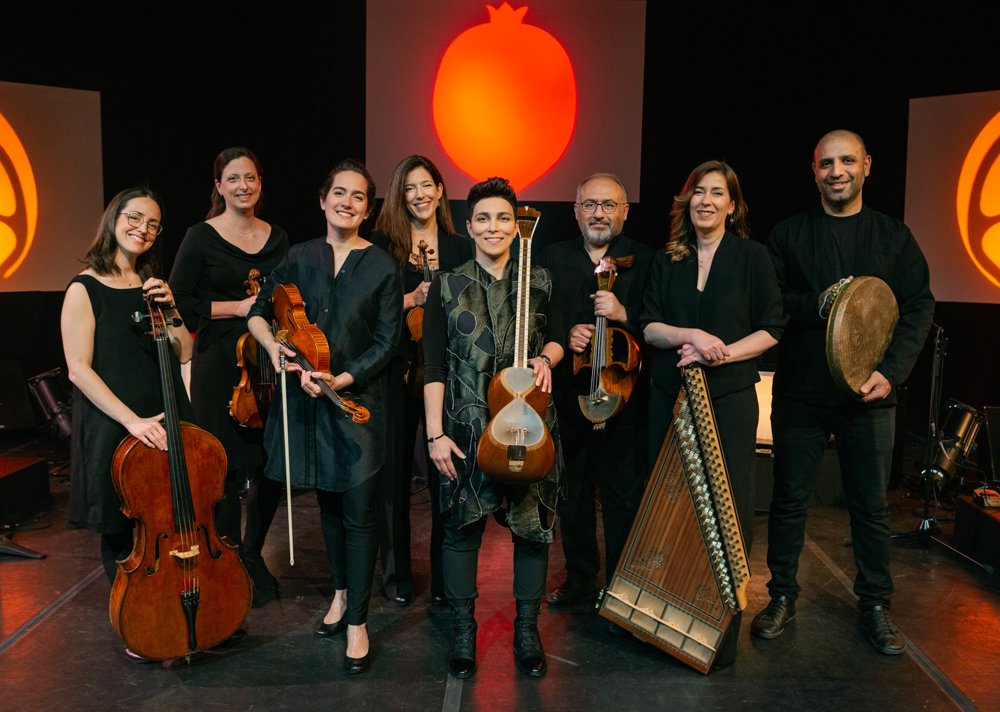
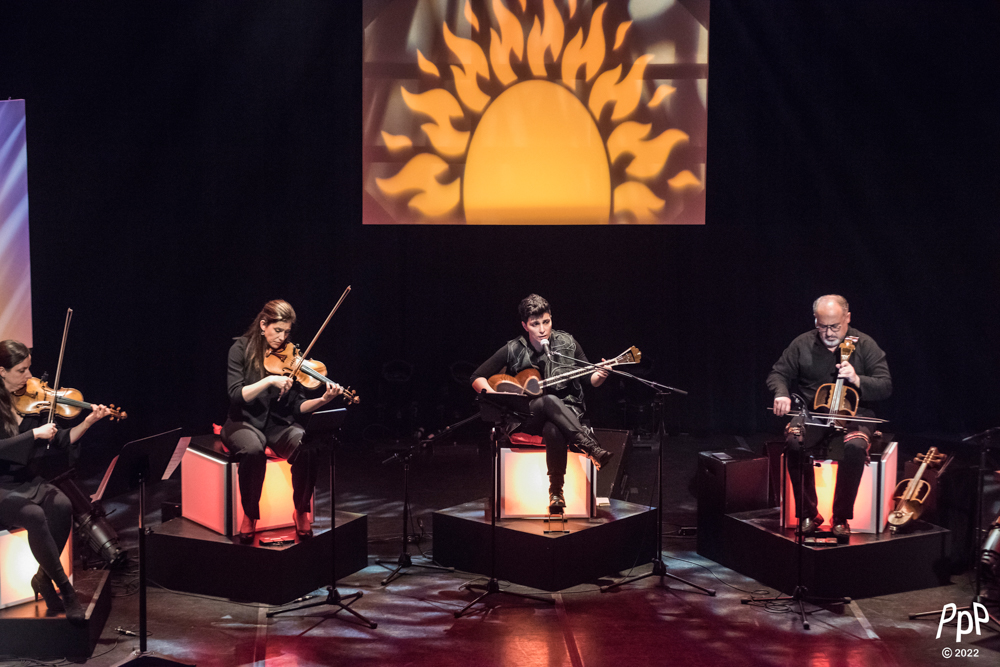
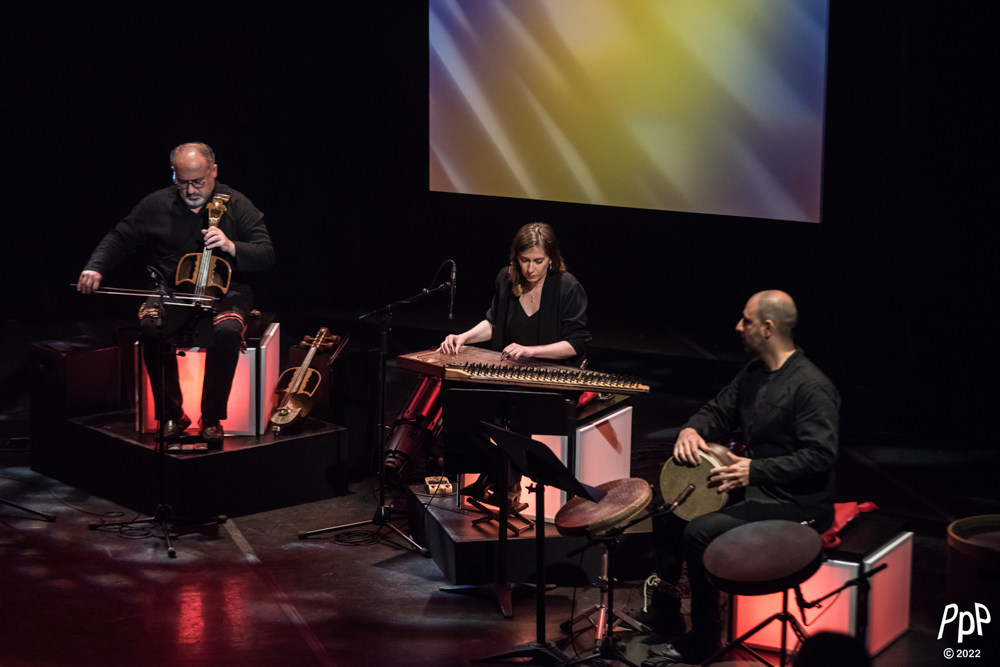
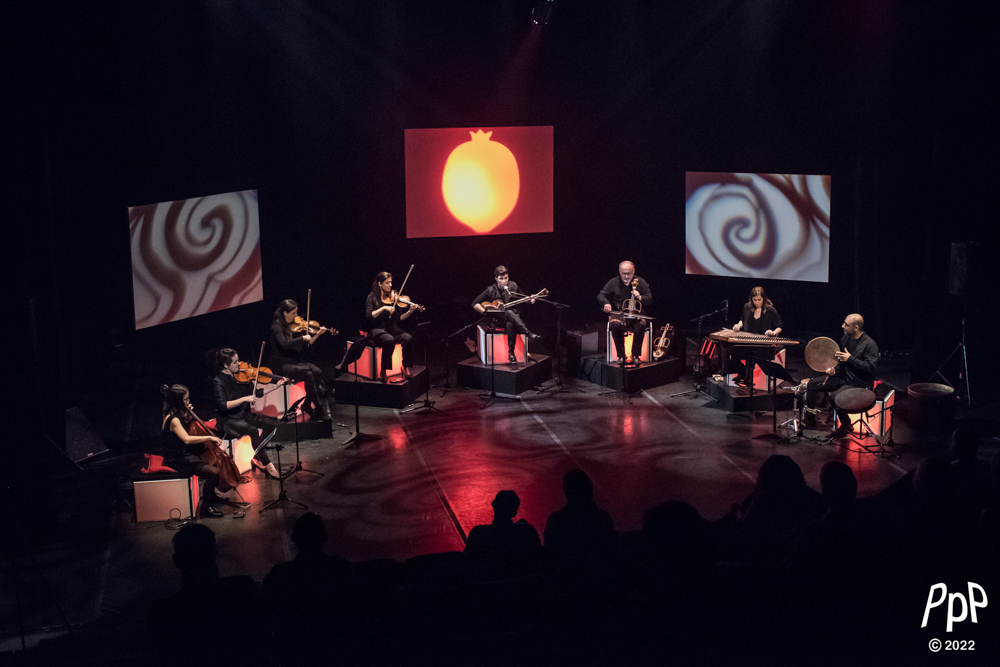
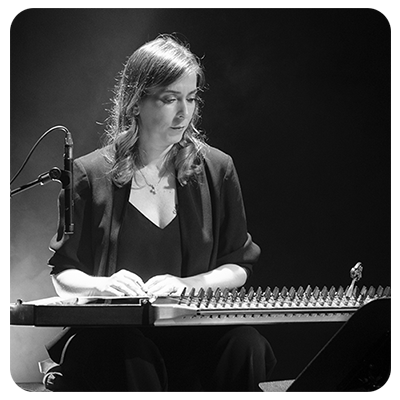
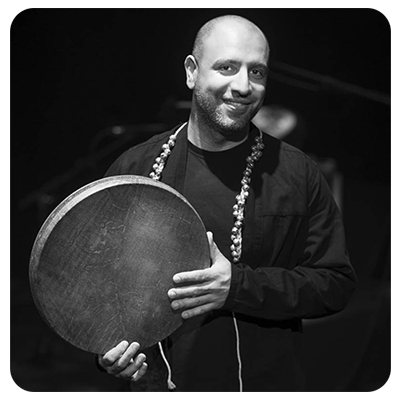
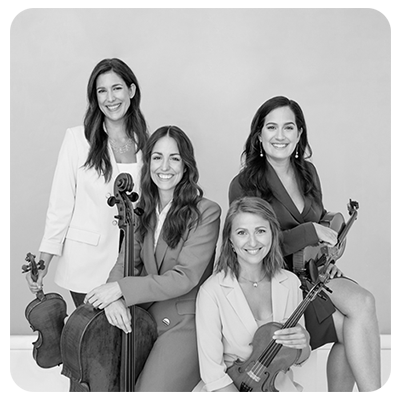
The Pomegranate Empire is a staged musical concert that revisits the songs and compositions of the Qajar era (1789–1925). For this concert, Mehrdad Yazdani’s arrangements bring together the târ, gheychak, kanun, and Persian percussion along with a string quartet. This encounter between two musical traditions creates a listening space where the boundaries between East and West fade in favor of a shared musical language. L’Empire de Grenade celebrates music’s ability to transcend time, preserve memory, and build bridges between cultures. Between heritage and creation, tradition and modernity, the concert casts a new light on repertoire that continues to resonate today.
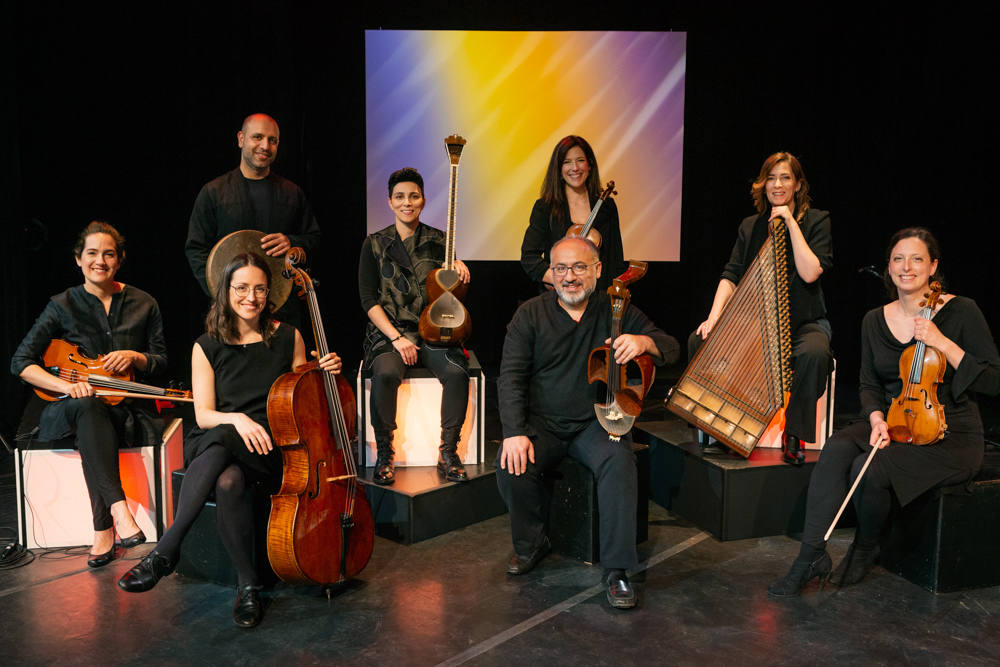
The Pomegranate Empire is a staged musical concert that revisits the songs and compositions of the Qajar era (1789–1925), particularly those of Aref Qazvini and Ali Akbar Sheyda. It is a meeting of Persian and Western musical traditions, bringing together Eastern instruments and a string quartet.
L’Empire de Grenade celebrates music’s ability to transcend time, preserve memory, and build bridges between cultures. Between heritage and creation, tradition and modernity, the work casts a new light on a repertoire that continues to resonate today.
Driven by a long-standing fascination with this period of Iranian history, artistic director Elham Manouchehri sought to bring this repertoire back to life by reinterpreting it through a contemporary musical language. The objective was not to only reproduce the works of the past, but rather to open a dialogue between different eras and allow these songs to resonate once again with today’s audiences.
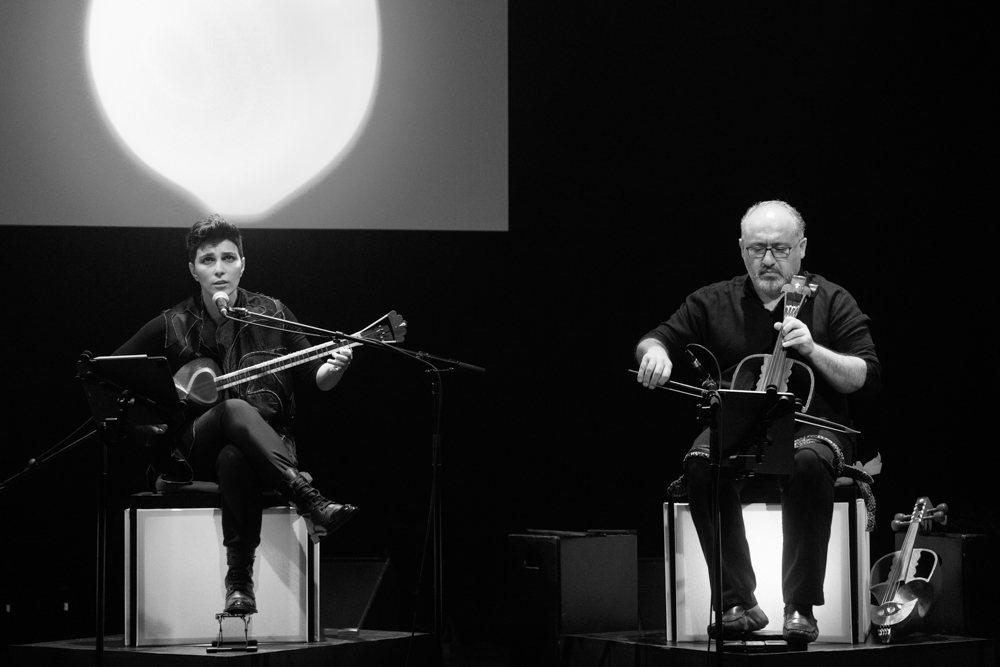
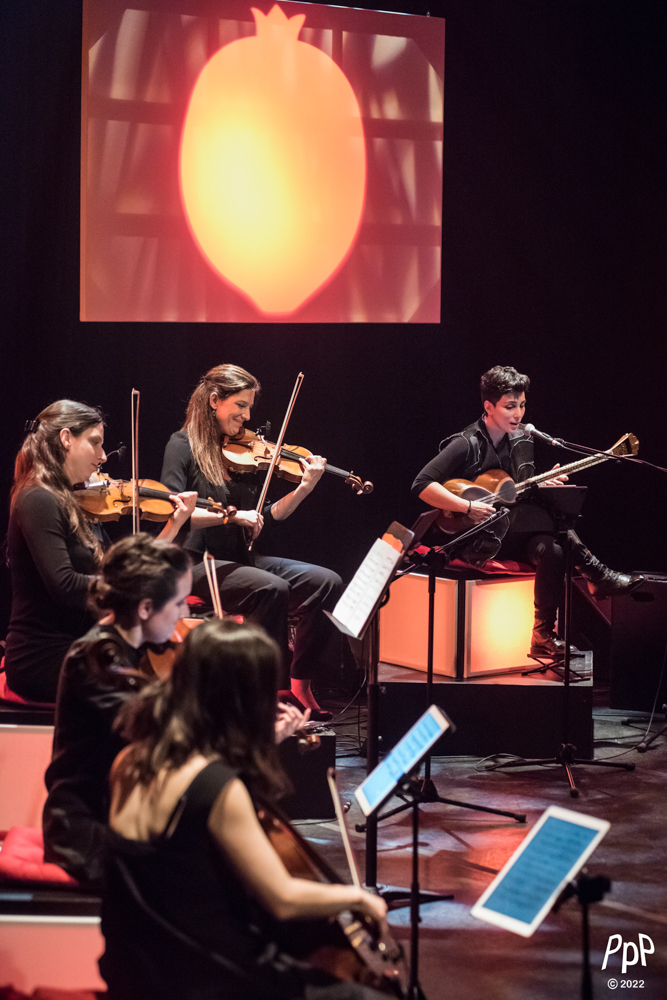
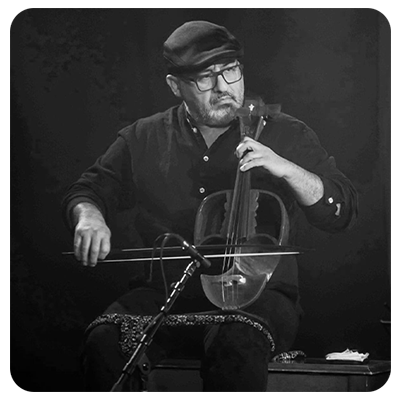
For this concert, Mehrdad Yazdani’s arrangements bring together the târ, gheychak, kanun, and Persian percussion with a classical string quartet. This encounter between two musical traditions creates a listening space where the boundaries between East and West fade in favor of a shared musical language. Inspired by the refined aesthetic of the Qajar era while embracing a contemporary artistic approach, the work invites audiences to travel across centuries and encounter a reimagined cultural heritage.
The title of the work carries a strong symbolic dimension. “Empire” pays tribute to Persia’s cultural heritage and the richness of its history. The “pomegranate,” in turn, is one of the oldest and most universal symbols of Persian culture. Associated with prosperity, life, love, and abundance, it also represents unity in diversity. Like the many seeds it contains, distinct yet gathered within a single fruit, it evokes a plural humanity sharing a common destiny. This image perfectly reflects the spirit of the project and the intercultural encounter that nourishes it.
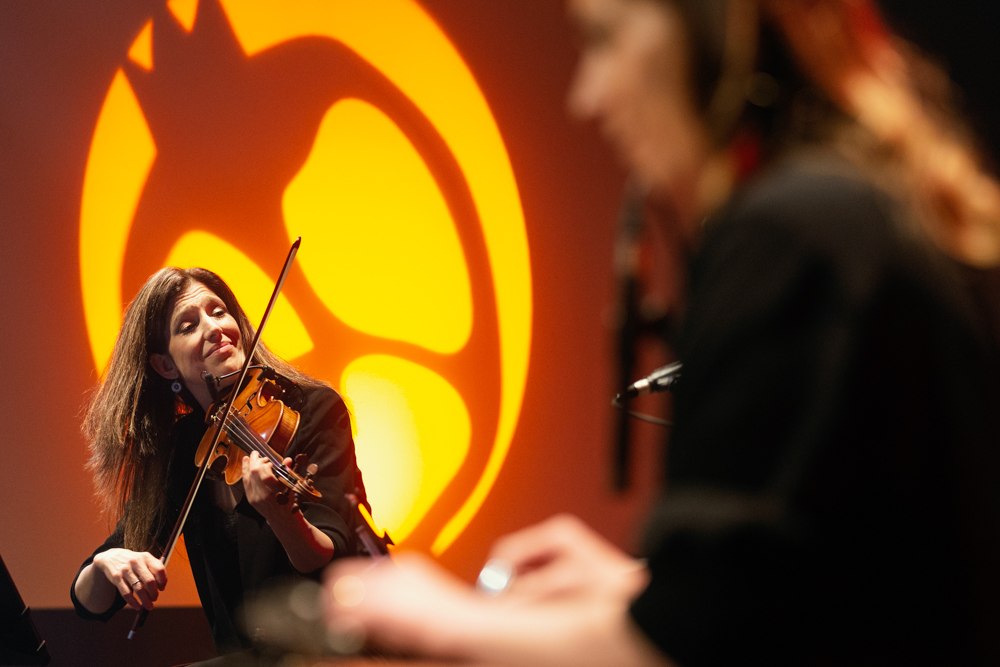
L’Empire de Grenade goes beyond a simple concert through its staging, lighting, and visual elements, which enrich the experience of the audience. Presented eight times in different boroughs of Montreal during a tour held in 2023 and 2024, the project enabled diverse audiences to discover an essential chapter of Iranian musical history.
The Qajar Era
The Qajar era (1789–1925) gave rise to one of the most emblematic repertoires in Iranian cultural history. It witnessed profound cultural transformations and was marked by a remarkable flourishing of the arts, literature, music, photography, painting, and calligraphy.
It was also during this period that Iran opened itself to Europe, particularly to France. The first Western musical instruments appeared in the country, while new musical influences enriched a cultural heritage already deeply rooted in Persian traditions.
This encounter between different cultures did not erase the existing musical forms. On the contrary, it contributed to their evolution and renewal. It is precisely the dialogue, innovation, cultural blending, and openness to the West that characterize the Qajar era that inspired the instrumentation and creative process behind L’Empire de Grenade.
The project draws its repertoire from the works of major figures in the music and poetry of this period, particularly Aref Qazvini and Ali Akbar Sheyda. Their songs still occupy an important place in Iran’s collective memory today. Passed down from generation to generation, they form part of a living heritage that many people know, sing, and immediately recognize. Beyond their musical value, these works also played an essential social role. At a time when modern means of communication did not yet exist, songs served as a powerful vehicle for ideas and emotions. They accompanied the debates of their time, expressed the social and political concerns of the population, and contributed to the circulation of collective thought. Their melodies traveled by word of mouth, through homes, gatherings, in the streets, carrying with them the aspirations and questions of a society in transformation.
Creative Team

On Stage
Gallery